
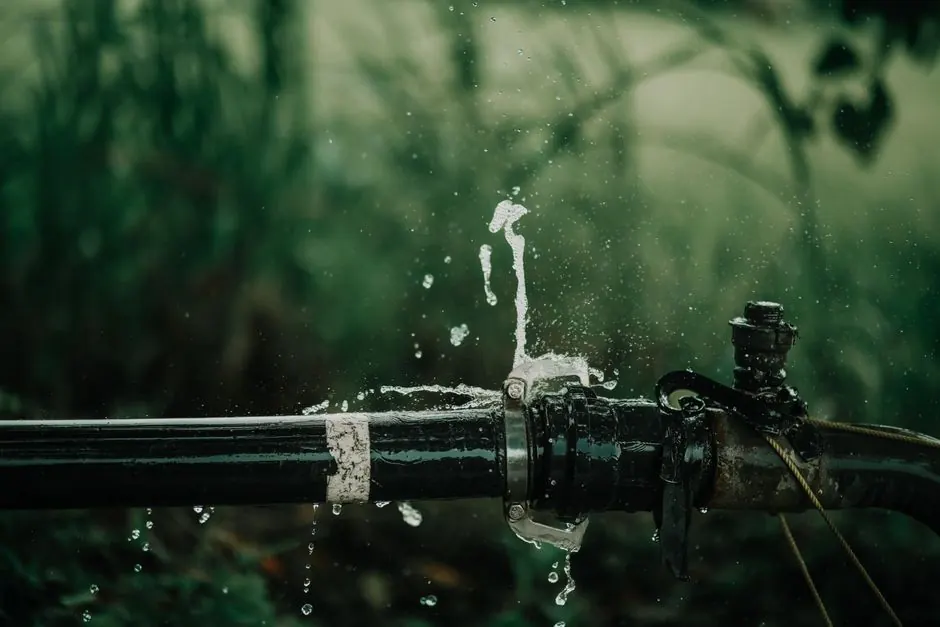
Water Level And Equipment Check
We mark the water level and watch how fast it drops, with the pumps off and then on. The pattern points to the shell or the equipment.
A spa visit covers the signs, the tests, and a clear account of what we found. Each step below is part of that visit.
We mark the water level and watch how fast it drops, with the pumps off and then on. The pattern points to the shell or the equipment.
We check every jet, light, and fitting for worn seals, loose fittings, and cracks where water can leave the spa.
You get a written account of what we found, where the leak appears to be, and what repair options exist.
We look at the pump, the heater, the filter, and the valves for damp, drips, and worn seals.
Spa leak detection finds a leak in a spa, in the shell, the jets, or the equipment pad that serves it. We use visual inspection, pressure testing, and acoustic listening to narrow the spot down. The aim is to know where the water is leaving before any repair starts.
A spa holds far less water than a pool, so a small leak shows fast. A level that drops overnight, a damp patch under the cabinet, or jets that lose pressure are the signs to watch.
A spa visit follows four plain steps. You know what is happening at each one.
Schedule
Call +1 (863) 265-8125 and tell us what you noticed. We talk through the signs with you first.
Check
We mark the water level, check the jets and fittings, and look over the equipment pad for damp and drips.
Test
We pressure test the lines, listen with acoustic gear, and check the pump, the heater, and the filter.
Report
You get a written account of the findings, the marked spot, and the repair options to consider.
Pressure Testing Equipment
We pressurize the lines that serve the spa and watch the reading. A steady drop means water is leaving a line somewhere.
Acoustic Listening Devices
A sensor picks up the sound of water escaping from a jet, a fitting, or a pipe. The loudest point is usually the closest to the leak.
Thermal Imaging Cameras
A camera scans the cabinet and the ground around the spa for cool, damp patches where water is collecting.
Moisture Meters
The meter reads damp in the cabinet and the ground beside the spa. Damp that stays after a dry day is a sign worth checking.
Visual Inspection
We walk around the spa and look at the shell, the jets, the fittings, and the equipment pad for cracks, wear, and drips.
Pressure Testing
Each line is tested on its own where possible. The line that will not hold pressure is the line with the leak.
Equipment Pad Check
We check the pump, the heater, the filter, and the valves with the power off first, looking for drips, damp, and worn seals.
01
What we do: We mark the level and watch it with the pumps off and on, then check the shell, the jets, and the equipment pad.
→ Finding the leak early keeps the repair area small.
02
What we do: We check the jet seals, the lines that feed the jets, and the pump for a leak that lets water and air escape.
→ Knowing where the water goes lets you plan the repair instead of guessing.
03
What we do: We check the shell, the jets, the fittings, and the equipment pad. If nothing in the spa is leaking, the loss may be in the home's plumbing, where a leak hides behind a wall or under a floor. That is plumbing leak detection in Lakeland.
→ Knowing where the water is going lets you plan the repair instead of guessing.
Spas in Lakeland sit in hot sun and heavy rain, and the equipment pad works hard through the summer. Worn seals, aging equipment, and heat add to the risk. We serve spas across Lakeland, including the areas below. On the larger lots in Kathleen, a spa often sits beside the pool, with long lines to check. See leak detection in Kathleen for how those runs are covered.
North Lakeland
Spas here often sit on patios and decks, so we check the pad and the lines that run to the house first.
South Lakeland
Spas here run through heavy summer rain, so we look for wet spots around the base that stay damp.
Lakeland Highlands
Larger lots here often have a spa beside the pool, with long lines to check.
Hot sun and heavy rain
Heat and rain wear seals faster. We check the jets and the equipment pad for signs of wear.
Aging equipment and worn seals
Seals and gaskets wear with heat and use. We test the lines that serve the oldest parts of the spa first.
A leak in a spa causes a few clear problems. Each one starts with finding the spot.
Problem
A spa that keeps losing water needs topping up, and the leak can soak the pad and the ground under the spa.
Our Fix
Finding the shell crack, the worn seal, or the leaking line tells you where the water is going.
Problem
Jet seals wear with heat and use, and a fitting that works loose lets water out behind the shell.
Our Fix
If the leak is in a pipe that feeds the spa rather than the spa itself, that is pipe leak detection in Lakeland.
Problem
Many Lakeland spas sit beside a pool and share the same water. If the pool is losing water while the spa holds its level, the leak is in the pool.
Our Fix
That is pool structural leak detection in Lakeland, and we check the pool shell, the fittings, and the lines.
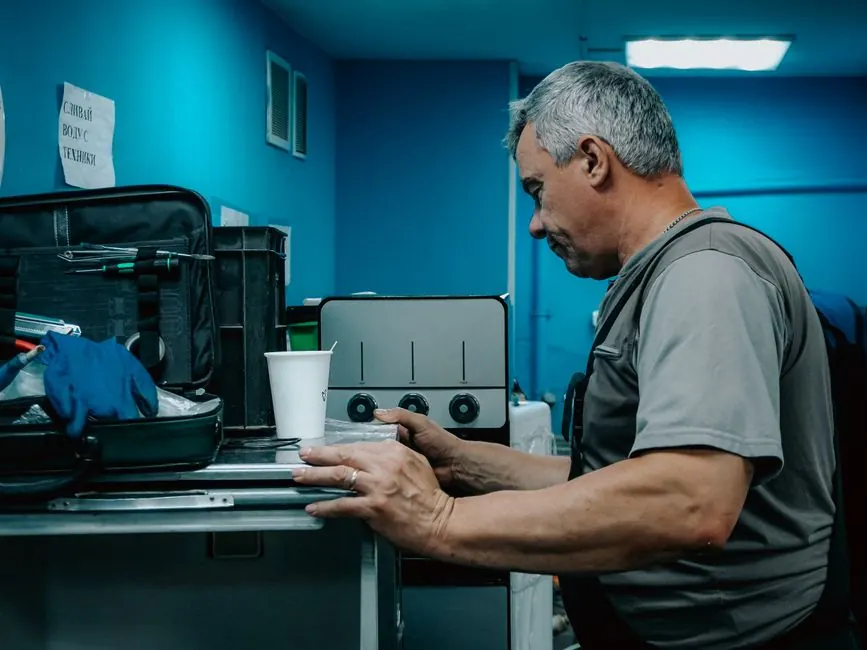
Finding the leak is the step that makes the repair possible. These are the plain gains.
A Smaller Repair Area
A marked spot means the repair can focus on one jet, one fitting, or one part of the pad. Less of the spa is disturbed.
An Answer For The Dropping Level
A dropping level with no clear cause is hard to plan around. Finding the leak tells you where the water is going and ends the guessing.
A Clear Record Of The Work
Written findings show what was found and where. That record is useful when you talk to a spa technician about the repair.
Know Which Part Leaks
You learn whether the leak is in the shell, a jet, a fitting, or the equipment pad. That is a better place to start than a dropping level and no answer.
First, The Signs
We ask what you noticed, then mark the water level and check the shell, the jets, and the equipment pad.
Then, The Tests
Pressure testing, acoustic listening, and visual inspection narrow the leak to one area.
Last, The Findings
We mark the spot, explain what we found in plain words, and give you written findings.
Lakeland Leak Pros is a Lakeland business owned by Adrian James. Our work is finding leaks, and spa leaks are the calls where the water level and the equipment pad tell the story first.
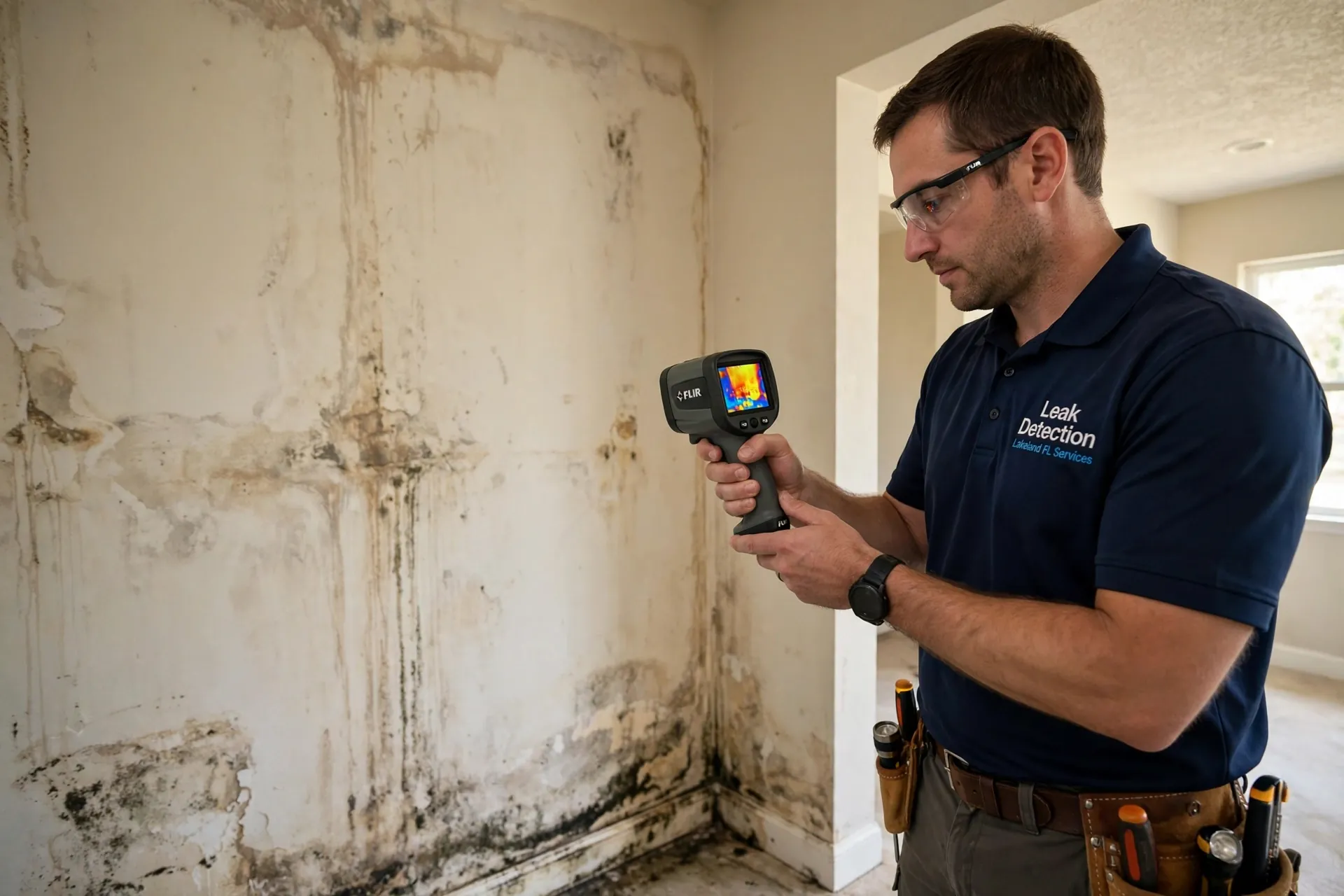
Once the leak is found, the repair depends on where the water is leaving. A worn jet seal, a loose fitting, a cracked shell, or a part on the equipment pad each point to a different fix.
A worn seal or a loose fitting may need only a new seal or a refit, while a crack in the shell needs a closer look from a spa technician. We talk through what we found with you once the leak is found, and you decide the next step.
Answers about spa leaks, from the signs to the visit itself.
A pool shell that leaks through the concrete, the plaster, or a joint. The bucket test and the shell check come first.
View Pool Structural Leak DetectionLeaks in buried lines under the yard. Listening gear finds the spot without opening the whole lawn.
View Underground Leak DetectionLeaks you cannot see, behind walls or under floors. Meters and imaging narrow the search.
View Hidden Leak DetectionLeaks across the plumbing in a home, from supply lines to fixtures. We check the system line by line.
View Plumbing Leak DetectionLeaks in the pipes themselves, from worn joints to corroded runs. We test the pipe that shows the signs.
View Pipe Leak DetectionLeaks in the water lines that feed the home. Yard signs and pressure changes point the way.
View Water Line Leak DetectionWe invite you to reach out for any Leak Detection needs. Our team is available to answer your questions and provide assistance. We typically respond within an hour.
Phone
+1 (863) 265-8125Address
3228 US Hwy 98 N, Lakeland, FL 33805, USA
Hours
Mon–Fri: 7AM – 7PM
Sat: 8AM – 4PM
Sun: Emergency Only
24/7 Emergency Available