
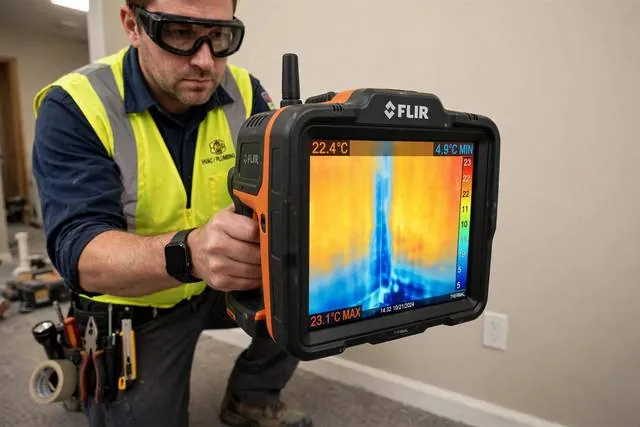
A slab leak is a plumbing issue that occurs when water pipes beneath the concrete foundation of a home develop leaks. Spotting one early can save Lakeland homeowners from costly repairs and extensive damage. This guide lists ten signs that may point to a slab leak, and what to do once you suspect one.
What is a Slab Leak?
A slab leak occurs when a water line beneath a concrete slab breaks or leaks, allowing water to escape into the surrounding soil. This can lead to significant water damage and structural issues if not addressed promptly.
1. Unexplained Water Bills
If your water bill suddenly spikes without any changes in usage, it could be a sign of a slab leak.
2. Water Pooling on Floors
Visible water pooling on floors, especially in areas where there are no plumbing fixtures, is a strong indicator of a slab leak. This pooling can lead to mold growth and damage to flooring if not addressed quickly.
3. Cracks in Walls or Floors
Cracks in your home's walls or floors can signal underlying structural issues caused by a slab leak. These cracks may appear as the foundation settles unevenly due to water erosion beneath the slab.
4. Warm Spots on the Floor
If you notice warm spots on your floor, particularly in areas where water lines run, this could indicate a leak. The heat from the water escaping can warm the concrete above it, making it feel noticeably warmer.
5. Low Water Pressure
Experiencing low water pressure throughout your home can also be a sign of a slab leak. When water escapes from the pipes, it reduces the pressure available at your fixtures, leading to weak water flow.
6. Mold or Mildew Growth
Excess moisture from a slab leak can create an environment conducive to mold and mildew growth. If you notice musty odors or visible mold, it's crucial to investigate further to prevent health risks.
7. Sound of Running Water
Hearing the sound of running water when no taps are on can indicate a leak. This persistent sound can be particularly concerning if it occurs in areas away from plumbing fixtures.
8. Increased Humidity
High humidity levels in your home, especially in areas like basements or crawl spaces, can signal a slab leak. Increased moisture in the air can lead to discomfort and encourage mold growth.
9. Unpleasant Odors
If you detect unusual odors, particularly in lower areas of your home, it could be due to water pooling from a slab leak. This stagnant water can create foul smells that permeate the air.
10. Foundation Issues
Visible signs of foundation problems, such as uneven floors or doors that stick, can indicate a slab leak. These issues arise when water causes the ground beneath the foundation to shift.
What to Watch Out For
Be cautious of any sudden changes in your home's water usage or structural integrity. Regularly inspect your home for the signs mentioned above, especially if your property is older and built on a concrete slab.
When to Call a Professional
It's essential to contact Lakeland Leak Pros if you suspect a slab leak. Our team specializes in slab leak detection in Lakeland and can assess your situation quickly to prevent further damage.
Can a Slab Leak Damage My Foundation?
Yes. Water escaping from a pipe under the slab soaks the soil beneath it and slowly washes it away. As the soil settles unevenly, the slab loses support in places and can crack. In Florida, the soil under most Lakeland homes is sandy, so the damage usually comes from soil washing out and leaving voids under the slab, rather than from clay soil swelling. The longer a leak runs, the more soil it can wash away, which is why catching a slab leak early matters.
How Long Can a Slab Leak Go Undetected?
A small pinhole leak can run for months, and in some cases more than a year, before it gives itself away. A cold water leak is the quietest kind, because it leaves no warm spot on the floor, so the water bill or the meter is often the only clue. That is why a bill that keeps climbing with no change in how much water you use is worth checking, even when the house looks and sounds fine.
Hot Water Slab Leak vs Cold Water Slab Leak
A hot water line leak and a cold water line leak give different clues. A hot water leak often leaves a warm patch on the floor, keeps the water heater running constantly, and pushes the energy bill up. A cold water leak leaves no warm patch, so it usually only shows up on the water bill or on the meter. If you have a warm patch on the floor, the leak is most likely on the hot water line, which narrows down where to look.
Is It a Slab Leak or a Drain Leak?
Not every leak under a slab is a supply leak. A supply leak moves the water meter even with every tap off, and it can make a faint hissing sound that acoustic listening can pick up. A drain leak does neither: it only leaks when water runs down a drain, so the meter stays still and there is no hiss to listen for. A sewer smell with slow or gurgling drains across several fixtures points to a drain leak. If the meter test points to a supply leak under the slab, the next step is to pinpoint it. Learn how to find a water leak under a concrete slab so the leak can be found without guesswork.
Frequently Asked Questions
- What are the common causes of slab leaks? Slab leaks are often caused by corrosion of pipes, shifting soil, or poor installation. Regular maintenance can help prevent these issues.
- How much does slab leak repair cost? Repair costs depend on the leak location, the extent of the damage, and the repair method. Call Lakeland Leak Pros at +1 (863) 265-8125 to discuss your situation.
- Can I fix a slab leak myself? Attempting to fix a slab leak without professional help is not recommended. It requires specialized equipment and expertise.
- How long does it take to repair a slab leak? Most slab leak repairs can be completed within a day, but complex cases may take longer depending on the damage.
- What should I do if I suspect a slab leak? If you suspect a slab leak, turn off your water supply and call a leak detection service immediately to prevent further damage.
- Can a slab leak damage my foundation? Yes. Water escaping under the slab saturates and erodes the soil beneath it, and uneven swelling and settlement can crack the slab. In Florida sandy soil, the damage usually comes from soil washing out and leaving voids under the slab, rather than from clay soil expanding.
- How long can a slab leak go undetected? A small pinhole leak can run for months, and in some cases more than a year, before it shows. A cold water leak is the quietest kind, because it leaves no warm spot on the floor, so the water bill or the meter is often the only clue.
- How do hot water and cold water slab leaks differ? A hot water slab leak often leaves a warm patch on the floor, keeps the water heater running constantly, and raises the energy bill. A cold water slab leak leaves no warm patch, so it usually only shows up on the water bill or the meter.
- Is it a slab leak or a drain leak? A supply leak moves the water meter with everything off and can make a faint hissing sound that acoustic listening can pick up. A drain leak does neither. A sewer smell with slow or gurgling drains across several fixtures points to a drain leak.
Get Help with Leak Detection in Lakeland
If you notice any signs of a slab leak in your Lakeland home, don't hesitate to reach out for help. You can contact Lakeland Leak Pros or call us today at +1 (863) 265-8125 for expert assistance.